Literacy in Indonesia
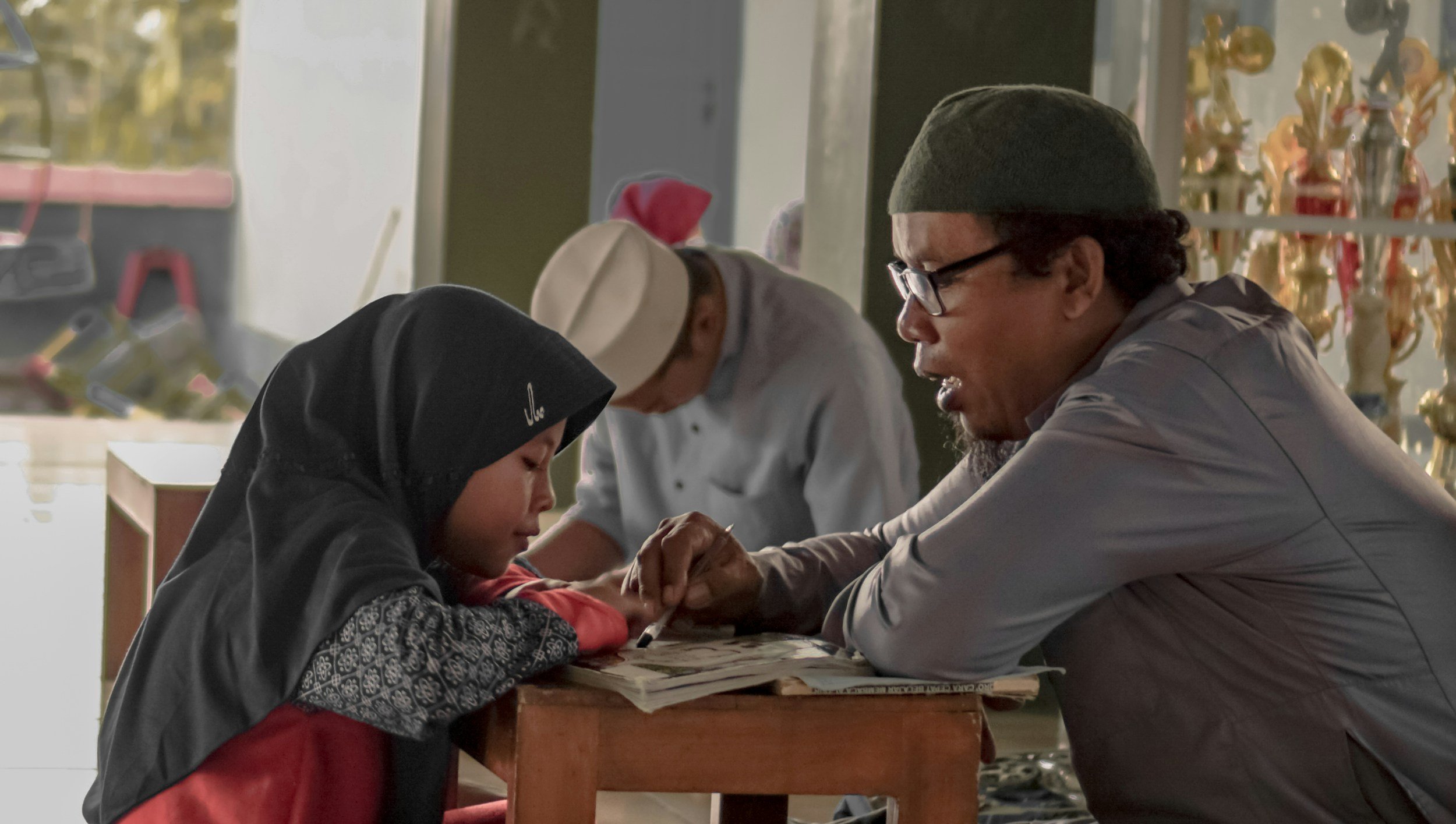
In Indonesia, reading is often discussed through numbers, rankings, and concerns about literacy levels. Yet behind these statistics lies a much more complex reality. Across the archipelago, access to books is deeply shaped by geography, infrastructure, income, language and the distance between urban centres and rural communities. For many children, especially in remote areas, reading is not simply a matter of habit or motivation, but of availability: whether there is a library nearby, whether books are affordable, and whether stories exist in a language and context that feel close to their everyday lives.
The data reflects this tension. According to PISA 2022, only around 25% of 15-year-old students in Indonesia reached at least Level 2 proficiency in reading, compared with the OECD average of 74%. Indonesia’s average reading score was 359 points, while the OECD average was 476 points. At the same time, adult literacy in Indonesia is much higher, approaching 96%, which shows that the challenge is not only about the ability to read, but about reading comprehension, access to meaningful texts, and the development of a sustained reading culture. (OECD)
At the same time, Indonesia is full of small but powerful initiatives that challenge this gap. Mobile libraries, village reading corners, community volunteers, teachers, and local foundations are bringing books directly to children who might otherwise have limited access to them. These efforts show that reading culture is not built only through institutions, but also through relationships, trust, and the belief that even one book, carried into one village, can open a new path of imagination, confidence, and possibility.